
Adams’ Duplicitous Cabinet
Civitas Outlook
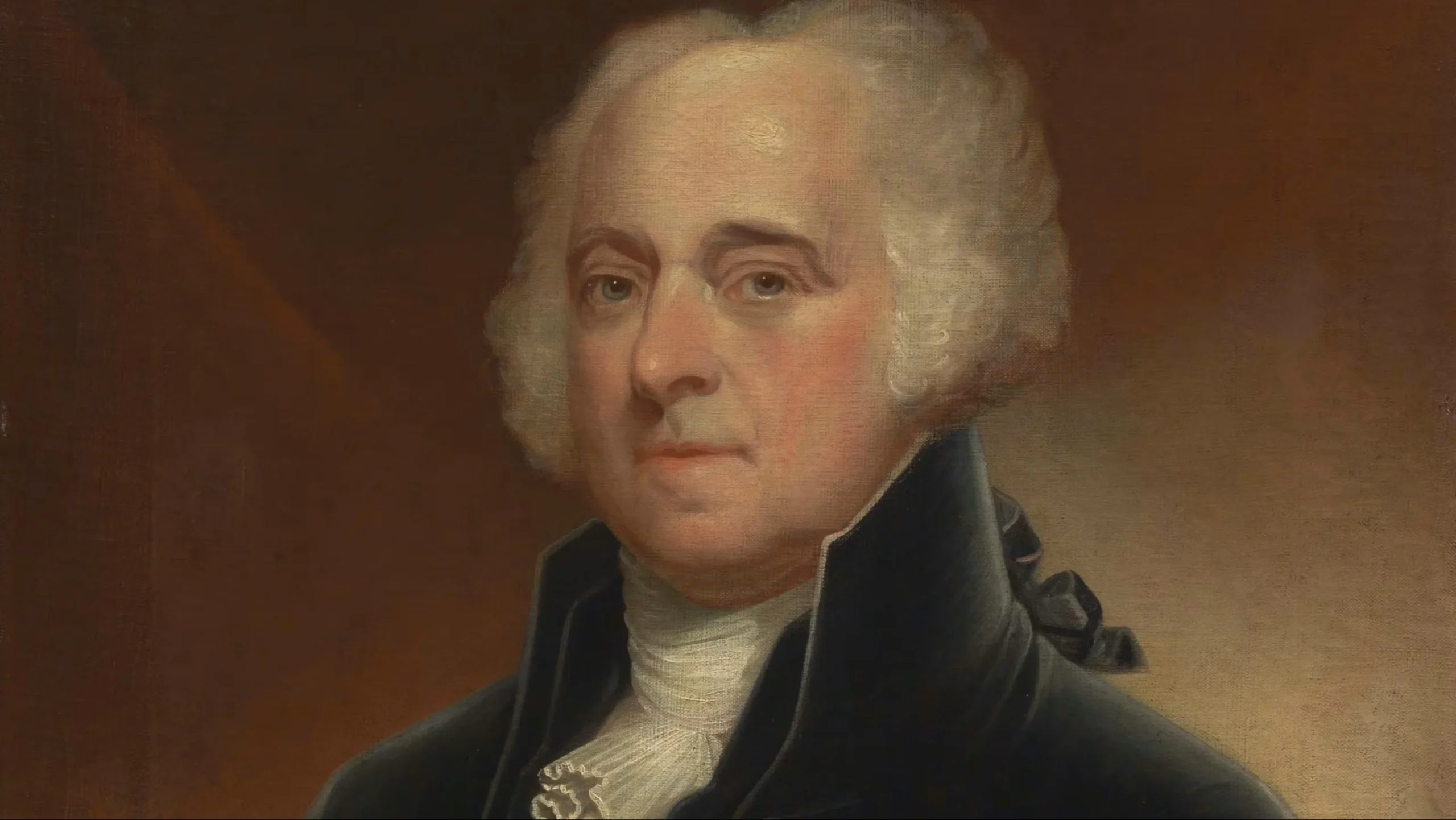
Though the prose is pleasant, Chervinsky’s account of the early days of the American republic fails to capture a complete narriative.
As John Adams took the presidential oath on March 4, 1797, a foreign policy crisis was hurtling his way. It originated four decades earlier, when France and Britain’s struggle for world hegemony first roiled North America. Ebbing after Britain’s 1763 victory in the French and Indian War, the conflict reignited when France’s vital military aid propelled the American colonies to independence from London. But after the huge cost of that help bankrupted France and triggered its own revolution, whose Jacobin leaders declared war on Europe’s monarchies in 1792 to spread revolt across the continent, George Washington earnestly sought to keep America neutral as the Franco-British clash raged not only on land in Europe but across the Atlantic and the Caribbean. Misreading the new nation’s intentions, each combatant believed America was in league with its enemy and retaliated by harassing American shipping and kidnapping its sailors.
The foreign conflict convulsed America’s domestic politics, too. Adams’s Federalist Party suspected the opposition Democratic-Republicans—Republicans, for short—not only of Jacobin sympathies but also of designs to launch a similar leveling revolt at home. Had not thousands already rioted outside Washington’s house, aiming to force him into a military alliance with the French revolutionaries? The Federalists appeared equally extreme to the Republicans, who imagined they secretly planned to establish a monarchy and ally with their fellow “monocrats” in Britain. Since America’s parties first emerged, each believed the other dead set on subverting the constitutional order, and riot was native to the American Left’s political vocabulary.
It’s no surprise that both France and Britain mistook America’s foreign policy intentions. Even when negotiating the treaty that ended the American Revolution, U.S. diplomats had gone behind their French allies’ backs and signed a pact with Britain that didn’t leave America a French vassal, as France had intended, but big, strong, and a potential commercial partner of the former Mother Country. Even before its own revolution, France had learned to distrust America and suspect it of collusion with its enemy. The 1794 Jay Treaty, which (among other matters) formalized British-American trade relations, provocatively confirmed those suspicions. The British government, by contrast, focused on the Republicans’ noisy acclaim for revolutionary France, including their full-throated support for the French ambassador’s efforts to outfit privateers in American ports to prey on British shipping, hardly evidence (London thought) of the neutrality President Washington had proclaimed and Congress had legislated.
Matters came to a head within days of Adams’s inauguration. As Lindsay M. Chervinsky recounts in Making the Presidency: John Adams and the Precedents That Forged the Republic (Oxford), newly arrived dispatches from America’s minister to France announced that the French Directory had ordered him out of the country—a usual prelude to war. Worse, France had decreed that neutral American ships carrying British cargoes would now be seized as belligerents, their sailors subject to piracy charges. Hostilities seemed inevitable, but Adams was determined to fend them off, thinking the young nation unready to win a French war. From that moment, his central policy goal for almost his whole term in that era of limited government, when foreign affairs formed the president’s chief responsibility, was forging a new treaty with France that preserved peace and honored American neutrality. Continue reading